Why the oldest cure for burnout involves nothing more than putting one foot in front of the other
By Claire, Camino Pilgrim Co-founder
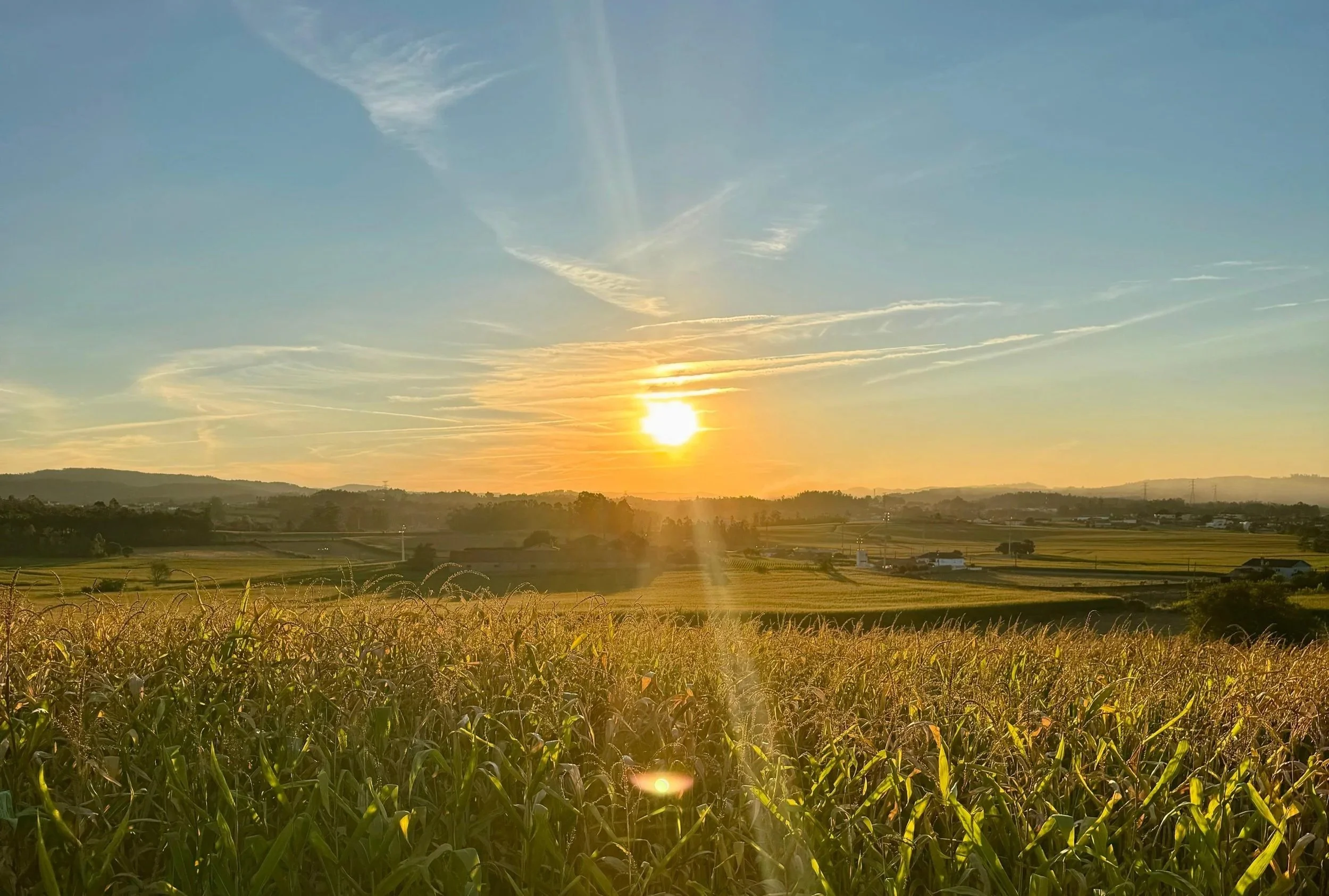
You're not lazy. You're not weak. You're not someone who can't handle pressure. You're just empty, and no amount of productivity hacks, morning routines, or weekend lie-ins seems to be filling you back up.
If that sounds familiar, you're not alone. But the solution might be simpler, and older, than anything your wellness app has to offer.
The problem with stopping
Most advice about burnout tells you to stop. Take a break. Switch off. Disconnect. And while rest has its place, there's a reason so many people return from holidays feeling only marginally better than when they left. A week of passive res, lying by a pool, scrolling on a sun lounger, watching the days drift past, can feel like putting a plaster over something that needs proper treatment.
Burnout isn't just physical tiredness. It's what happens when the gap between the demands placed on your mind and its capacity to meet them becomes unsustainable over time. Your nervous system doesn't recover from that by doing nothing. It recovers by doing something different, something rhythmic, purposeful, and stripped of the complexity that wore it down in the first place.
That's where walking comes in.
What happens to your brain when you walk for days
When you walk for several consecutive hours, day after day, something shifts that no spa weekend or meditation retreat quite replicates. The repetitive, low-impact rhythm of walking activates the parasympathetic nervous system, the branch responsible for rest, digestion, and recovery. For anyone who has spent months or years in a state of chronic stress, this isn't just pleasant. It's physiologically corrective.
There's also the question of cognitive load. On a long walk, your decision-making is stripped to almost nothing. Which path to take. Where to stop for lunch. Whether to put a layer on. That's it. For a mind accustomed to managing twenty competing priorities before 9am, that simplicity isn't boredom, it's relief. Deep, almost disorienting relief.
Time itself changes. Hours become richer, slower, more textured. A week of walking can feel more expansive than a month spent behind a screen, not because more happens, but because you're actually present for what does.
And then there's the landscape. Exposure to natural environments, particularly open countryside, forest, and coastline, measurably reduces cortisol levels. Not as a poetic metaphor, but as a documented physiological response. The body knows it's somewhere safe. It starts to let go.
Distance does something that stillness cannot
Here's something that often surprises people after their first long walk: problems that felt immovable start to look different. Not because you've solved them, but because physical distance from your usual environment creates a kind of psychological altitude. You can see the shape of things more clearly when you're not standing in the middle of them.
This is one of the reasons people have been walking long routes for centuries, long before anyone had a clinical framework for occupational exhaustion. The act of walking somewhere, rather than simply arriving, changes your relationship to where you've come from. You leave gradually. You arrive gradually. The transition is earned, and that makes it real.
Why the Camino, specifically?
The Camino de Santiago routes have been walked for over a thousand years, and not primarily by religious devotees. They've been walked by people who needed to think, to grieve, to start again, to remember who they were before the world got very loud. The reasons have changed over the centuries. The usefulness of the act hasn't.
The Camino Portugués, the route that winds north from Porto through ancient market towns, along Atlantic coastline, and through the green river valleys of the Minho, offers something particular. It's demanding enough to be absorbing, but gentle enough to be accessible. You don't need to be an athlete. You need to be willing to show up each morning and walk.
The structure of a Guided Camino journey does something else that matters for people recovering from burnout: it removes the planning burden entirely. Accommodation is arranged. Luggage moves ahead. The route is clear. Your only job is to walk, and to notice, gradually, that you're starting to feel like yourself again.
There's also the community. You walk alongside others, but at your own pace. Conversations happen naturally, without agenda. You'll find yourself talking honestly to strangers in a way that rarely happens at home, partly because the context strips away the usual social scaffolding, and partly because everyone on the path is, in some way, in the middle of something.
This isn't a Holiday. It's a Reset!
The word "holiday" suggests a temporary pause. What a walking journey offers is something more structural, a recalibration. You arrive with a depleted system and leave with the beginnings of a rebuilt one. Not because anything magical happened, but because you moved your body through beautiful terrain, slept deeply from genuine tiredness, ate well, talked honestly, and gave your mind the rare gift of a single, simple task repeated for several days.
You don't need a crisis to justify this. You don't need to have hit a wall. But if you have, if you've been running on empty for longer than feels reasonable, then no app, supplement, or weekend retreat is going to do what five days walking the Camino Portugués will.
You just need to start.
Bom Camino!
Camino Pilgrim offers specialist small-group guided walking journeys and self-guided journeys along the Camino Portugués. Based in Portugal, we specialise in thoughtfully planned trips for travellers who want to walk with confidence and come home changed.