How much does the Camino Portugues cost? A Realistic Budget Guide
By Filipe, Camino Pilgrim Co-founder
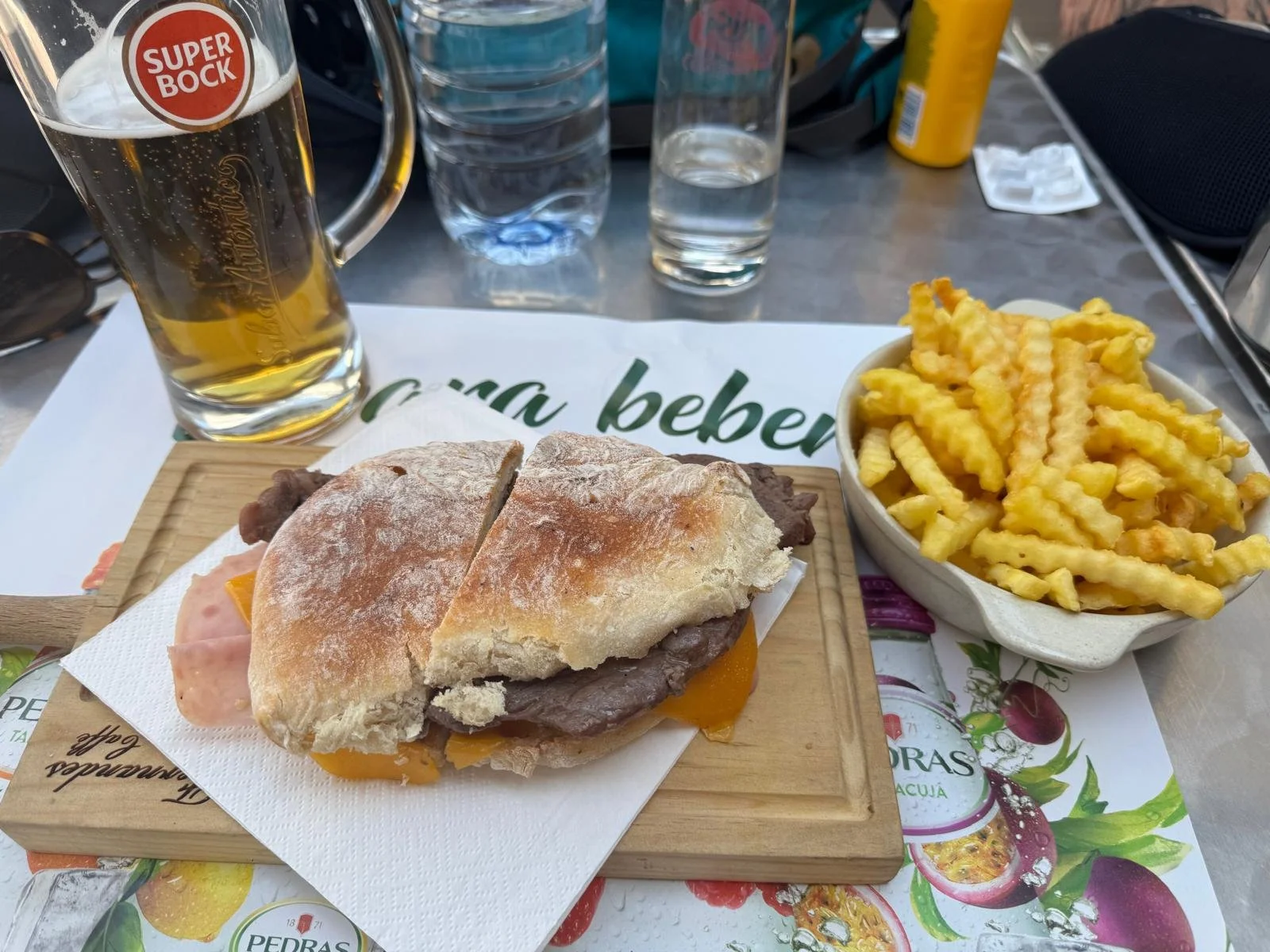
Example of Pilgrim Menu in Portugal
One of the first questions people ask us, right after "which route should I walk?", is how much does it actually costs per person. And it's a fair question, because the answers you find online vary a lot, from backpackers surviving on €30 a day to organised travellers spending €200. It’s a big difference.
The honest answer? It depends entirely on how you choose to walk the Camino and the time of year you travel. During peak season, accommodation prices can easily be double what you would pay in the quieter months.
After walking the Camino Portugués several times, and helping others plan their journeys, we can give you a realistic idea of what costs to expect and where your money is likely to go.
The two main things to cost for
Before we get into numbers, it helps to know the two things that will make up the bulk of the cost while walking the Camino. These are accommodation and food & drink,
Let's go through each one.
1. Accommodation
This is where your budget stretches or shrinks the most, depending on the type of accommodation you are looking for.
Albergues (pilgrim hostels): averaging €10–20 per night. What many describe as the classic Camino experience. Dormitory-style sleeping, shared bathrooms, and a room full of people who will probably become friends. Basic but functional, and the cheapest way to walk. Also worth knowing that most of these do not accept pre-booking. You may find yourself with nowhere to sleep, or having to walk for a few (many) more kms, if that specific Albergue is full.
Pensions and local accommodations (B&B type): €35–70 per night. This average gets you a private room, your own bathroom, and a good night's sleep. This is what most of our self-guided clients choose, and honestly it makes a huge difference to how you feel on the trail each morning. You'll still have the full Camino experience, you will just feel better rested and enjoy of greater privacy.
2* Hotels and above: €70–120 per night. These offer the comfort and reliability of a traditional hotel and are available in most larger towns along the route. If you want more comfort, privacy, and extra amenities, this can be a great option.
One thing to consider is location. In smaller towns, hotels are sometimes located away from the Camino route, which may require extra walking to reach your accommodation.
2. Food & Drink
The Camino Portugués passes through some of Portugal and Galicia's best food regions. This is not a place to skip traditional meals.
Budget option: €15 to €25 per day is usually enough to eat well on the Camino. A simple breakfast at your albergue or a local pastelaria, something light for lunch on the trail, and a casual dinner in the evening will comfortably cover your meals without spending too much.
If you come across a menú del peregrino (pilgrims menu), it is usually excellent value. Not every place offers one, but when they do, it is often worth it. These pilgrim menus normally include soup, a main course, dessert, bread, and a drink, for around €10 to €14 in Portugal, and slightly more in Spain
Mid-range: €30 to €50 per day. This usually covers a more relaxed approach to food and drinks along the route, including sit down meals, a glass of local wine, regular café stops, and the occasional pastel de nata along the way. For many pilgrims, this tends to be a realistic daily spending range rather than a strict budget approach.
If you want to enjoy a few extras along the way, €60 to €80+ per day gives you plenty of flexibility. The seafood on the Coastal Route alone is worth setting some budget aside for. In places like Matosinhos or Viana do Castelo, sitting down for freshly grilled fish straight from the harbour is part of the experience. It is excellent quality food and often far more affordable than you would expect compared to larger cities.
Transport and other costs
The other main cost to consider is transport. You will need to budget for your flights into Porto and your return journey home from Santiago de Compostela. Flight prices vary hugely depending on where you are travelling from, the time of year, and how far in advance you book, so this is something best checked individually.
It is also worth comparing different return options. In some cases, taking a bus or train back to Porto and flying home from there can work out significantly cheaper than flying directly from Santiago.
While walking the Camino, you may also want to keep a small extra budget aside for local transport. Occasionally, pilgrims choose to take a taxi or short bus ride due to bad weather, tiredness, injury, or accommodation being further from the route than expected. These journeys are usually inexpensive and often not needed at all, but having a little flexibility makes the experience less stressful.
Finally, keep some emergency cash available for unexpected situations. Hopefully you will not need it, but it is always better to have a small backup fund while travelling.
So what does the whole Camino Portugues actually cost?
For a typical Porto to Santiago walk, most pilgrims spend between 13 and 15 days on the route. That means your total cost can vary quite a bit depending on how you choose to travel.
If you are walking on a tighter budget, staying mainly in albergues and keeping food simple, you could complete the Camino for around €500 to €900, excluding flights.
For pilgrims choosing private rooms, local guesthouses, regular restaurant meals, and a more comfortable pace overall, a more realistic total budget is often between €1,000 and €1,800 for the full trip. This is where many self-guided travellers tend to fall.
If you prefer hotels, seafood dinners, wine with meals, taxis when needed, and a few extra comforts along the way, costs can go beyond this.
You should also budget separately for flights, travel insurance, and a small emergency fund. Flight prices vary hugely depending on where you are travelling from and the time of year.
The good news is that the Camino Portugues is still one of the more affordable long distance walking trips in Europe. You can keep costs low if you want to, or make the experience far more comfortable without spending excessively.
Don’t forget to leave a small part of your budget for the finishing touches in Santiago de Compostela. While the Compostela certificate itself is free, many pilgrims choose to buy the official distance certificate and a protective tube to safely carry everything home. These are completely optional, but they make a really nice keepsake after spending nearly two weeks walking across Portugal and Spain.
The certificate usually costs around €3, and the protective tube around €2. It is a small extra cost, but for many people it becomes one of their favourite souvenirs from the whole journey.
You can check the latest information and prices on the official Pilgrim’s Office website.
What about a Guided Camino?
If you'd rather not think about any of this and just show up and walk, that's exactly what our Guided Camino Experience is designed for. Check our guided options with accommodation and breakfast included throughout.
The best investment you can make
Whatever your budget, the one thing we'd always recommend is proper preparation. A Camino that goes wrong, blisters that won't heal, no available accommodation, a route that doesn't match your fitness level, costs far more in stress and regret than any planning session.
If you'd like to talk through your budget and what's realistic for your journey, our Personalised Planning Session is exactly the place to start.
Bom Camino!
Camino Pilgrim offers specialist small-group guided walking journeys and self-guided journeys along the Camino Portugués. Based in Portugal, we specialise in thoughtfully planned trips for travellers who want to walk with confidence and come home changed.